Dental implants have become one of the most trusted and effective solutions for replacing missing teeth. Whether you have lost a single tooth, several teeth, or even a full arch, modern implant technology offers a wide range of options to restore both function and appearance.
However, not all implants are the same – different types are designed to suit different clinical needs and lifestyles. Choosing the right implant depends on factors such as bone quality, the number of teeth missing, and personal expectations.
At Pitshanger Clinic, we believe in giving our patients clear, accessible information to help them make confident choices about their oral health. In this guide, we explore the main types of dental implants, how they work, and who they may be most suitable for.
What Are Dental Implants?
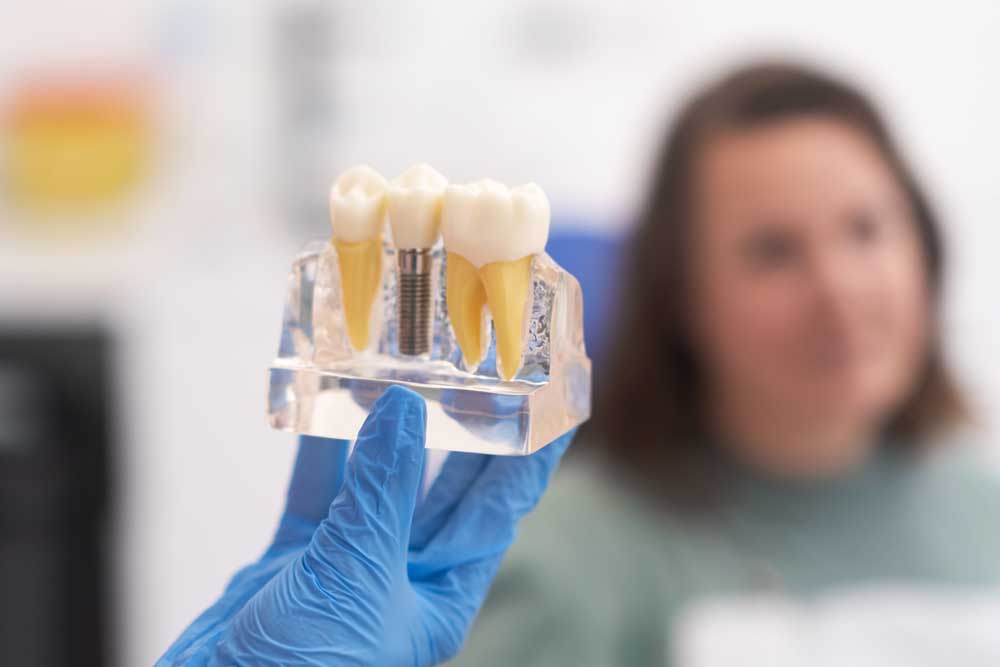
A dental implant is a small, screw-like post – usually made of titanium – that is surgically placed into the jawbone to act as an artificial tooth root. Over time, the implant integrates with the bone, creating a stable foundation for a crown, bridge, or denture.
Because of this secure bond, implants feel and function much like natural teeth, restoring both chewing ability and confidence in your smile.
9 Types of Dental Implants
Here are the nine most popular types of dental implants:
1. Endosteal Tooth Implants (Traditional Dental Implants)
The most common type, usually made of titanium and placed directly into the jawbone to act as an artificial tooth root. These implants are reliable, long-lasting, and suitable for replacing one tooth or several teeth.
2. Subperiosteal Implants
Used when a patient does not have enough healthy jawbone for traditional implants. Instead of being placed inside the bone, these implants sit on top of the jawbone but beneath the gum tissue. They are less invasive, though less commonly used today.
3. Zygomatic Implants
A more advanced solution for severe bone loss. Instead of being anchored in the jaw, these implants are fixed into the cheekbone (zygoma). They are recommended for patients who cannot undergo bone grafting procedures.
4. Mini Implants
Much smaller than traditional implants, mini dental implants are less invasive and often used to stabilise lower dentures. While they are not usually intended to replace full-size teeth permanently, they can be an excellent option where bone volume is limited.
5. Multiple Implants: All-on-4®
This technique restores a full arch of teeth using just four implants. It often avoids the need for bone grafting and allows for quicker treatment. A cost-effective option for patients needing extensive restoration.
6. Tooth Replacement with 3-on-6
This method uses three dental bridges supported by six implants. It provides excellent stability and a natural look, although it requires more surgery and investment than the All-on-4 method.
7. Implant-Supported Bridges & Dentures
- Implant-Supported Bridge: Used when several teeth are missing in a row. Unlike traditional bridges, this solution does not require filing down adjacent healthy teeth.
- Implant-Retained Dentures: Dentures anchored to implants for better security and comfort, but still removable for cleaning.
8. Immediate-Load Implants (“Teeth in a Day”)
These allow a temporary tooth to be placed on the implant immediately after surgery. Patients leave the clinic with a functioning tooth on the same day, with the permanent crown fitted later once healing is complete.
9. Single-Stage vs Two-Stage Implants
- Single-Stage Implants: The implant and abutment are placed in one procedure, with the abutment visible above the gum. This shortens treatment time.
- Two-Stage Implants: The implant is placed and covered by gum tissue to heal before a second procedure attaches the abutment and crown. This method can provide stronger long-term stability.
Quick Reference Table
| Type of Implant |
Key Features |
| Endosteal |
Standard option, inserted into jawbone, durable and reliable |
| Subperiosteal |
Placed on top of bone, for patients with low bone volume |
| Zygomatic |
Anchored in cheekbone, ideal for severe bone loss |
| Mini |
Smaller, less invasive, stabilises dentures |
| All-on-4 |
Full arch on four implants, quicker recovery |
| 3-on-6 |
Three bridges supported by six implants, very stable |
| Implant-Supported Bridge/Dentures |
Restores multiple teeth, no damage to healthy ones |
| Immediate-Load |
Same-day temporary teeth, permanent crown later |
| Single vs Two-Stage |
One-step convenience vs two-step stability |
Dental Implants vs Crowns
Although implants and crowns are closely related, they are not the same. A dental implant replaces the root of a missing tooth and provides a base for the restoration. A crown, on the other hand, is the visible part of the tooth placed on top – either on a natural tooth that has been prepared or on an implant.
In other words, the implant acts as the foundation, while the crown is the replacement “tooth” that completes the restoration.
Why Choose Our Dental Practice for Implant Treatment?
Choosing the right clinic for dental implant surgery is an important step in restoring both function and confidence after tooth loss. At Pitshanger Clinic, we provide
expert dental care for patients needing anything from a single implant to more complex solutions such as full mouth dental implants. Every procedure is tailored to your needs, ensuring comfort, safety, and long-lasting results.
Our dentists recognise that every patient’s smile is unique. That’s why we offer:
- Personalised consultations to determine the most suitable implant solution for your needs.
- A wide range of treatment options, from traditional implants to advanced procedures.
- Comprehensive care, guiding you from consultation through to aftercare.
Implant Types for Missing Teeth: Final Thoughts
Dental implants are not a “one-size-fits-all” solution – they come in many different forms to suit individual needs. Factors such as bone health, the number of missing teeth, lifestyle, and aesthetic goals all influence which implant options are best.
From single tooth implants to solutions for replacing multiple false teeth, implants are often the preferred choice in modern dental treatments.
At Pitshanger Clinic, our team is here to help you restore your smile with the implant treatment that’s right for you – ensuring both comfort and confidence.