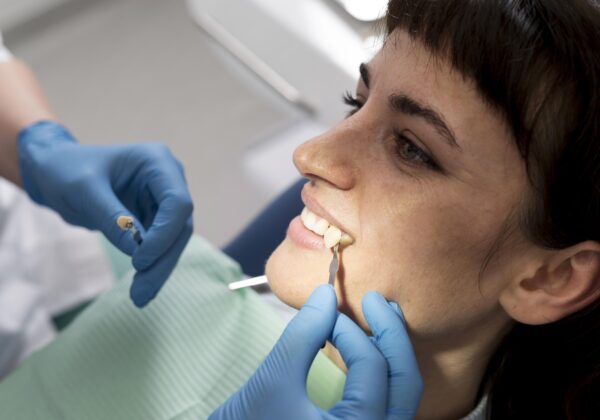
Composite bonding is one of the most popular cosmetic dental treatments for enhancing a smile. It can repair chipped teeth, close small gaps, and improve the appearance of discoloured teeth. At Pitshanger Clinic, one of the most common questions we are asked is:
how long will my composite bonding last?
While longevity can vary, with proper care, patients can enjoy durable, natural-looking results for many years.
How Long Does Composite Bonding Last?
On average, composite bonding lasts between
five and seven years, although many patients experience longer-lasting results, particularly on front teeth. The lifespan of bonding depends on several factors, including:
- Location of the bonded tooth – bonding on front teeth usually lasts longer as they experience less biting pressure.
- Bite alignment and chewing habits – excessive pressure can shorten the life of the composite resin.
- Oral hygiene practices – brushing, flossing, and attending regular dental visits are vital for maintaining the integrity of the bonding.
- Diet choices – avoiding hard foods and reducing staining drinks such as coffee, tea, and red wine helps preserve appearance.
- Habits – nail-biting, chewing ice, or using teeth as tools can damage the bonding.
- Regular dental check-ups – early detection of chips, rough edges, or separation allows timely repair.
With attentive care, composite bonding can last up to
10 years or more on front teeth, providing a long-lasting improvement to your smile. At Pitshanger Clinic, our team ensures each treatment is tailored to maximise both durability and aesthetic results.
How to Care for Composite Bonding?
Maintaining your composite bonding is straightforward but essential to ensure long-lasting results and protect the natural tooth structure. Here are seven expert tips from our dentists at Pitshanger Clinic:
1. Practise Good Oral Hygiene
Brush gently twice daily with a soft-bristled toothbrush and fluoride toothpaste, taking care around bonded areas. Daily flossing helps prevent decay and maintains gum health.
2. Avoid Staining Foods and Beverages
Composite resin can absorb pigments over time. Minimise coffee, tea, red wine, berries, and dark sauces. If you do indulge, rinse with water or brush soon after.
3. Quit Smoking
Tobacco stains both natural teeth and bonded surfaces. It also affects overall oral health, making it harder to maintain bonding long-term.
4. Protect Teeth from Trauma
Avoid biting pens, chewing ice, or opening packages with your teeth. If you play contact sports, wear a custom mouthguard to protect your bonding.
5. Schedule Regular Dental Check-ups
Routine visits allow professional cleaning and early detection of issues. Minor repairs can be made before problems worsen.
6. Avoid Excessive Force
Habits like nail-biting, grinding, or using teeth as tools can weaken composite bonding. Mindfulness helps preserve both bonding and natural tooth structure.
7. Address Teeth Grinding or Clenching
Bruxism can wear down bonding prematurely. Speak to your dentist about protective options such as a nightguard.
By following these guidelines, you can significantly extend the lifespan of your bonding and maintain a healthy, radiant smile.
Signs Your Cosmetic Bonding Needs Attention
Even with excellent care, bonded teeth may eventually show signs of wear. Book a review if you notice:
- Discolouration or shade changes
- Rough or sharp edges
- Chips or cracks (especially on front teeth)
- Sensitivity in the bonded tooth
- Gaps between the bonding and natural tooth
At Pitshanger Clinic, our dentists can easily repair or replace composite bonding, ensuring your smile remains flawless.
Composite Bonding vs Other Cosmetic Options
Composite bonding is cost-effective, quick, and minimally invasive, but it is less durable than veneers or crowns. Composite veneers and porcelain veneers, created in a dental lab, typically last longer and offer superior aesthetics. However, bonding is an excellent choice for minor adjustments, especially for patients wishing to preserve as much natural tooth as possible.
Tooth Bonding: Final Thoughts
Composite bonding is a safe, effective, and reversible treatment that can dramatically enhance the appearance of your teeth. With proper care and regular dental visits, bonding can last five to ten years or more, allowing you to enjoy a confident smile.
At Pitshanger Clinic, we customise every
bonding treatment to your needs, ensuring natural results that blend seamlessly with your existing teeth.