Porcelain veneers are thin, custom-made shells that cover the front of your teeth, enhancing your smile while protecting your natural teeth. They are highly durable, stain-resistant, and can last 15–20 years or more when properly cared for. To maximise their longevity and maintain a radiant smile, it’s essential to follow good aftercare practices.
What Are Porcelain Veneers?
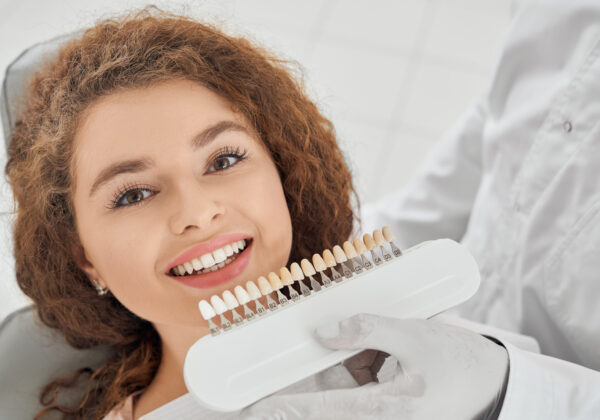
Porcelain veneers are thin layers of high-quality ceramic bonded to the front surfaces of teeth. They can transform your smile by:
- correcting discoloration or stains,
- closing small gaps between teeth,
- concealing chips or cracks,
- improving the shape and alignment of uneven teeth.
Unlike composite veneers, porcelain veneers are more resistant to stains and wear, making them a long-lasting cosmetic solution.
Key Benefits of Porcelain Veneers
- Enhanced Aesthetics: A natural, uniform, and brighter appearance
- Durability: Resistant to stains, chips, and discolouration compared to composite options
- Minimal Maintenance: With proper care, veneers retain their look for years
- Protection: They help shield underlying teeth from further damage
How to Care for Veneers
To keep your porcelain veneers in excellent condition and ensure they last as long as possible, follow these care tips:
- Maintain Excellent Oral Hygiene
Brush twice daily with a soft-bristled toothbrush and non-abrasive toothpaste. Floss daily to remove plaque between teeth and around veneers. Use an antibacterial mouthwash to reduce bacteria and support gum health.
- Avoid Staining Foods and Drinks
Limit coffee, tea, red wine, and dark-coloured foods. If consumed, rinse your mouth afterwards or use a straw. Include crunchy fruits and vegetables like apples and carrots to help clean teeth naturally.
- Be Mindful of Hard Foods
Avoid biting into ice, hard sweets, or using your teeth as tools. Even small habits, such as opening packages with your teeth, can weaken veneers over time.
- Avoid Abrasive or Whitening Products
Do not use harsh whitening toothpastes or bleaching kits, as they can damage the bonding. Consult your dentist before whitening treatments.
- Quit Smoking
Smoking can stain veneers and harm gum health. Quitting protects both appearance and overall oral hygiene.
- Stay Hydrated and Limit Sugary Drinks
Drink plenty of water to flush bacteria and reduce plaque. Minimise sugary and acidic drinks, which can weaken bonding materials.
- Protect Against Teeth Grinding
If you grind your teeth, ask your dentist about a custom nightguard. Grinding can wear down or crack veneers over time.
- Regular Dental Care
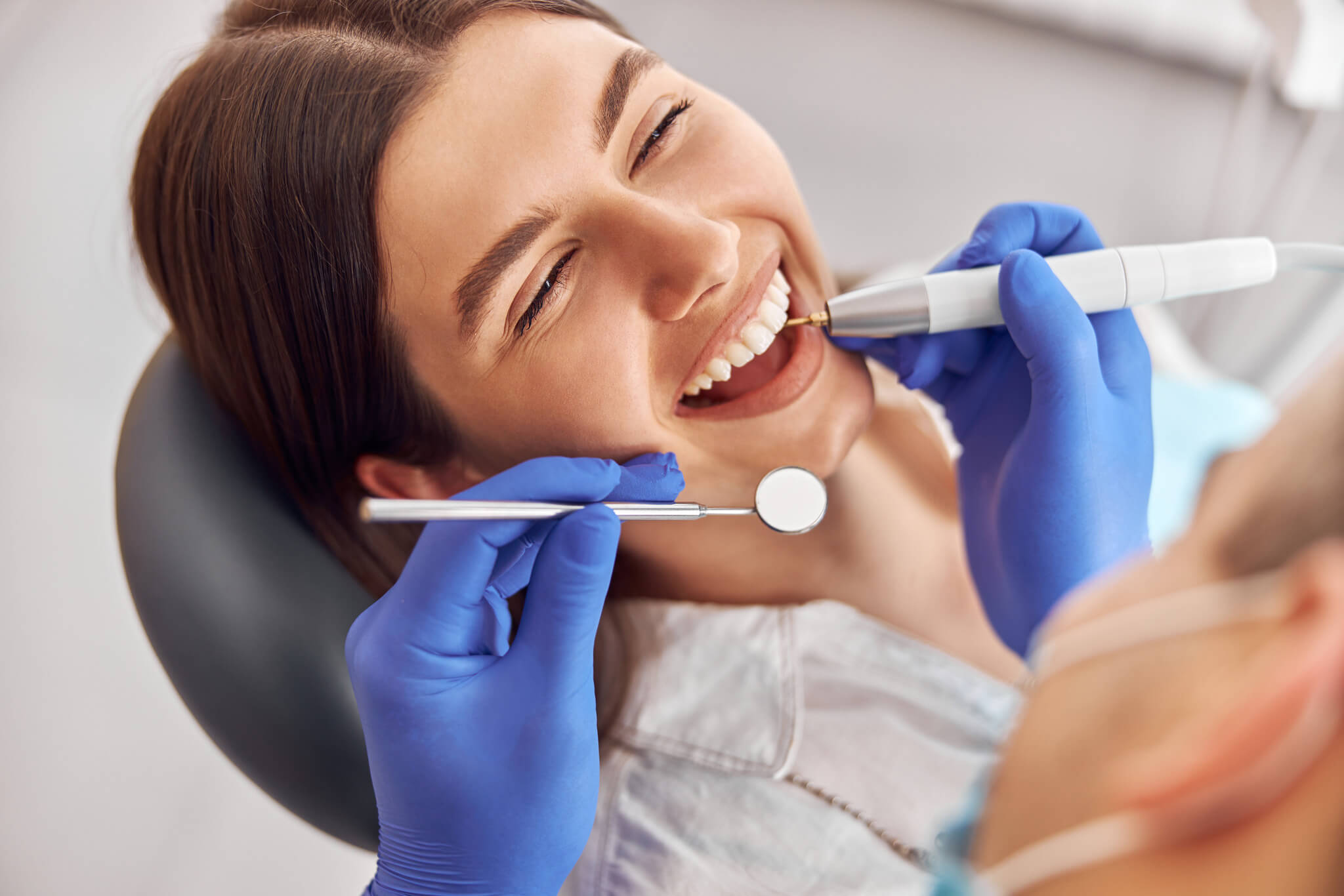
See your dentist for check-ups and professional cleaning at least twice a year. This ensures your veneers remain in top condition and helps detect issues early.
- Veneer Aftercare
Always follow your dentist’s advice for brushing, flossing, and avoiding abrasive products. Proper aftercare helps prevent chips, stains, and premature wear.
Caring for Minor Damage
If a veneer chips or cracks, contact your dentist immediately. Small chips may be repaired with bonding, but severe damage may require a replacement. Early treatment prevents further problems.
Caring for Dental Veneers: Summary
Porcelain veneers can give you a beautiful, long-lasting smile. With good oral hygiene, careful eating habits, and regular dental visits, you can keep them looking flawless for many years. Avoid staining foods, hard objects, and teeth grinding, and consider quitting smoking for the best long-term results. With daily care and professional support, porcelain veneers can provide a confident, radiant smile for well over a decade.