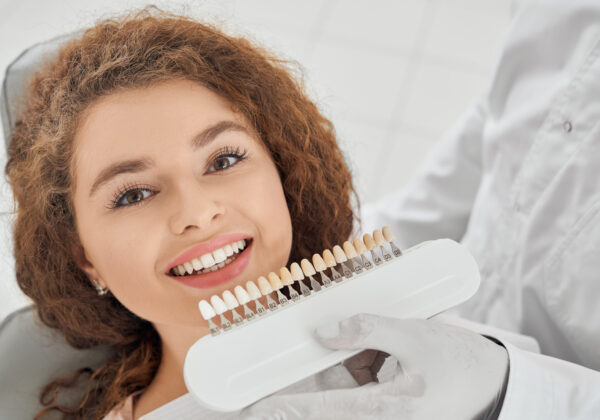
When it comes to enhancing a smile, dental veneers are one of the most popular cosmetic dentistry treatments. But what exactly are veneers?
Simply put, they are ultra-thin, custom-made shells bonded to the front surface of the teeth to improve their shape, colour, and overall appearance. Designed to mimic natural enamel, veneers can transform a smile that is stained, chipped, or uneven into one that looks bright, balanced, and youthful.
Different Types of Veneers
Veneers are typically made from either porcelain or composite resin:
- Porcelain veneers – durable, stain-resistant, and can last 10–20 years with proper care.
- Composite veneers – more affordable and quicker to apply, but usually last 5–7 years.
- No-prep veneers (e.g. Lumineers) – require little to no enamel removal and are less invasive, though they may not last as long as porcelain.
Why Are Veneers Used?
Veneers are a versatile solution for a wide range of cosmetic dental concerns, including:
- Discolouration that cannot be corrected with whitening treatments
- Chipped or fractured teeth
- Small gaps between teeth
- Minor misalignments or uneven teeth
- Teeth that are unusually shaped or smaller in size
Unlike crowns, which cover the entire tooth, veneers only cover the visible front portion, offering a less invasive approach to aesthetic improvement.
The Veneer Procedure
The process of getting veneers usually takes one to two visits and includes:
- Consultation – Your dentist evaluates your teeth, discusses your goals, and confirms whether veneers are suitable.
- Tooth Preparation – A thin layer of enamel is removed to ensure a natural fit. (This step may be minimal with no-prep veneers.)
- Impressions & Design – A mould or digital scan is taken and sent to a dental lab. Temporary veneers may be fitted while your permanent ones are being crafted.
- Bonding – The veneers are permanently attached with dental cement and cured using a special light.
- Polishing & Follow-up – The dentist checks your bite, comfort, and aesthetics to ensure your veneers look and feel natural.
5 Benefits of Veneers
1. Natural Appearance
Porcelain closely mimics enamel, blending seamlessly with natural teeth. Whether talking, smiling, or eating, veneers look authentic and discreet.
2. Durability
With proper care, porcelain veneers can last 10–20 years. They withstand daily wear better than temporary fixes like whitening, though damaged veneers may require repair or replacement.
3. Stain Resistance
Porcelain resists staining from coffee, tea, and red wine, maintaining its colour for years. While whitening treatments brighten enamel, they do not alter veneer colour — making stain resistance a key advantage.
4. Confidence Boost
Veneers instantly enhance your smile, correcting chips, gaps, or discolouration. Many patients feel more confident in social and professional settings, as veneers create a brighter, healthier-looking smile.
5. Versatility
From reshaping uneven teeth to closing gaps, veneers offer solutions beyond what whitening or orthodontics alone can achieve. For more significant structural issues, crowns may be required, but for cosmetic concerns, veneers are often the most effective and natural-looking option.
How Long Do Veneers Last?
The lifespan of veneers depends on the material, oral habits, and overall care:
- Porcelain veneers – 10–20 years
- Composite veneers – 5–7 years
- No-prep veneers – 5–10 years
To maximise longevity, maintain excellent oral hygiene, avoid biting hard objects, and attend regular check-ups.
Tooth Care with Veneers
Veneers don’t require special maintenance, but the following will extend their life:
- Brush and floss daily with non-abrasive fluoride toothpaste
- Avoid chewing on hard objects such as ice, pens, or fingernails
- Limit stain-causing foods and drinks
- Wear a nightguard if you grind your teeth
- Visit your dentist regularly for check-ups and cleaning
How Much Do Dental Veneers Cost?
Costs vary depending on material, location, and dentist’s expertise. On average:
- Porcelain veneers – £500–£1,000 per tooth
- Composite veneers – £250–£800 per tooth
Porcelain Veneers: Final Thoughts
Dental veneers are a highly effective, minimally invasive way to achieve a natural, radiant smile. Whether you’re correcting chips, discolouration, or small gaps, veneers can provide long-lasting results with minimal discomfort.
At Pitshanger Clinic, we tailor
veneer treatment to each patient’s needs, ensuring seamless results that enhance both appearance and confidence.